
🇮🇶 Iraq, 🇮🇱 Israel, and 🇸🇾 Syrian Arab Republic · Kurdistan and Iraq; Kurdish and Iraqi Jewish tradition; also Syria/Lebanon
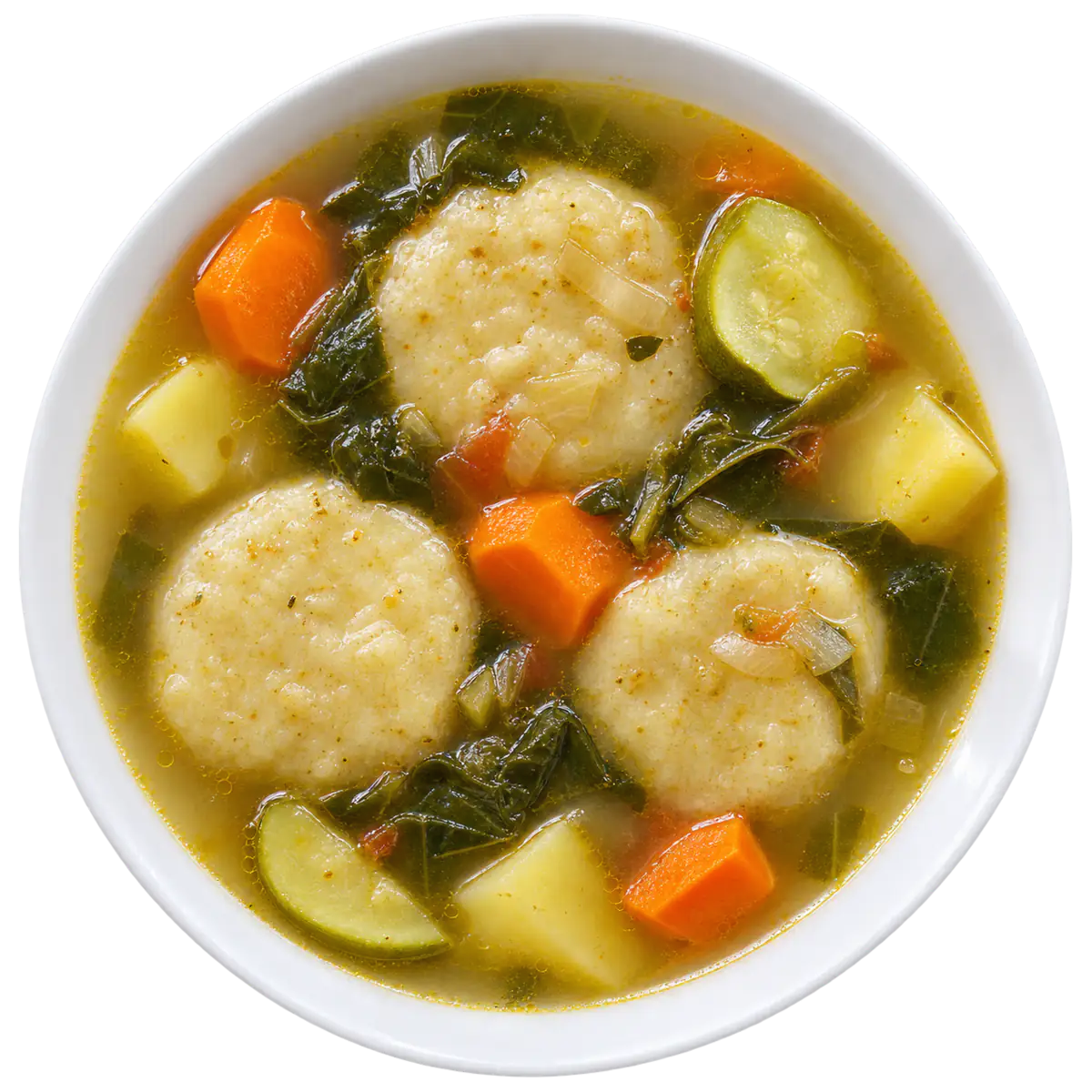
Kubbeh hamustaIraqi sour dumpling soup
Sour soup of filled semolina (sometimes bulgur) dumplings (kubbeh) with a seasoned ground-meat filling, in a lemony or citric-acid broth, often with greens or beets.
Origin and history
Kubbeh hamusta, 'sour kubbeh', is the lemony green soup of semolina dumplings that Kurdish and Iraqi Jews brought to Israel; kubbeh themselves likely came to Iraq and Kurdistan from Syria or Persia. In Jerusalem it became a Friday midday dish; in her 1992 book 'Eating in Jerusalem', Sherri Ansky wrote that families defend their grandmothers' versions and that it is no longer cooked only by Kurdish and Iraqi households.
Make it at home
- Makes
- 6 servings (about 30 kubbeh)
- Total time
- 2 h 30 min
- Hands-on
- 1 h 15 min
Ingredients
- 100 g2/3 cup fine bulgur (#1), for the dough
- 300 g1 3/4 cups fine semolina, for the dough
- 1 tsp salt, for the dough
- about 200 mlabout 3/4 cup water, for the dough, as needed
- 400 g14 oz fatty beef (rib or shoulder), chopped very finely with a knife, or coarsely ground, for the filling
- 1 onion, finely chopped, for the filling
- 2 + 3 cloves garlic, crushed; 2 for the filling, 3 for the soup
- 2 + 3 stalks celery with leaves, 2 inner stalks finely chopped for the filling; 3 chopped for the soup
- 3 tbsp vegetable oil, divided
- salt and black pepper, for the filling and the soup
- 1 large onion, chopped, for the soup
- 1 bunch (about 300 g)1 bunch (about 10 oz) Swiss chard (silka), leaves and tender stems, finely chopped
- 3 zucchini (courgettes), cut into thick sticks or chunks
- 2.5–3 L2 1/2–3 qt chicken stock or water
- 120–160 ml (juice of 3–4 lemons)1/2–2/3 cup fresh lemon juice, or 1/2 tbsp citric acid (lemon salt)
- 1 tbsp (optional) dried mint
Method
-
1. For the filling, heat 2 tbsp of oil in a frying pan and cook the beef with the chopped onion, a little salt and pepper over medium heat for 5 minutes, breaking it up.
-
2. Lower the heat and keep cooking, stirring now and then, for 30–45 minutes, until the meat is dry and well browned but not burnt.
-
3. Stir in the 2 crushed garlic cloves and the finely chopped celery, cook 3 minutes more, then taste, adjust and let the filling cool completely.
-
4. For the dough, cover the bulgur with cold water and leave it 30–40 minutes until it has absorbed the water; drain off any excess.
-
5. Add the semolina and salt to the bulgur and knead, adding water a spoonful at a time, until you have a smooth, soft dough that does not crack when pressed; cover it so it does not dry out.
-
6. With wet hands, roll a piece of dough the size of a walnut into a ball, press a hollow into it with your thumb and widen it into a thin cup.
-
7. Put a teaspoon of filling in the cup without packing it, pinch the edges closed over it and flatten the dumpling gently into a thick disc; keep your hands wet throughout and repeat with the rest.
-
8. For the soup, heat the remaining oil in a large pot and fry the chopped onion over medium heat until golden, about 8 minutes.
-
9. Add the chard, the soup celery and the zucchini, season with salt and pepper and stir for a minute or two.
-
10. Pour in the stock, bring to the boil and add the 3 crushed garlic cloves and the lemon juice; taste: the broth should be clearly sour, more than seems right.
-
11. Slide the kubbeh into the boiling soup a few at a time so the boil never stops, then lower the heat and simmer gently for about 30 minutes, until the dumplings float and the dough is cooked through.
-
12. Turn off the heat and let the soup stand for at least 1 hour so the kubbeh firm up and the flavours settle, then reheat gently, adjust the sourness and serve with a few kubbeh in each bowl.
Notes
- Total time: 2 h 30 min, plus 1 h resting.
- The sourness is the identity of the dish. Kurdish cooks insist on fresh lemon juice; citric acid ('lemon salt') is a common shortcut and gives a flatter, sharper sour. Some families add a little orange juice to round it off.
- Doughs vary: Iraqi cooks often use semolina alone (sometimes with a spoon of oil), others mix in fine bulgur for a firmer, nuttier shell. Work semolina-only dough quickly, because it stiffens as it stands.
- Kurdish Jewish households traditionally filled the kubbeh with kaliyeh, beef preserved in salt and its own fat, crushed with garlic and fried with onion and celery until dark. Parsley or coriander sometimes replace the celery.
- Green hamusta is the classic. Related sour kubbeh soups use the same dumplings in a red beet broth (kubbeh selek or adom) or a yellow broth with turmeric and tomato; those have their own names.
- Some cooks add mint, a handful of rice, or replace the chard with spinach. The soup may be served with the dumplings or the broth and dumplings separately.
- Shaped raw kubbeh freeze well on a tray, separated by baking paper; cook them from frozen, adding 10 minutes. The soup is better the next day.
Adapted from Sherri Ansky, Eating in Jerusalem (1992), via Asif: Kubbeh hamusta, NPR, The Salt: You say kubbeh, I say kibbeh (Te'amim cooking camp, Jerusalem), and Ynet: Kubbeh guide (Kurdish fillings and lemon).
At the festivals
Served at 1 festival in Germany.
Earlier editions
-
February 24, 2018
🇩🇪 Marburg, Germany
13. Internationales Marburger Suppenfest
On the menu as Kubbe El Hammedd
By Mädchentreff Hadara