
🇪🇸 Spain · Madrid
Cocido madrileñoMadrid chickpea stew
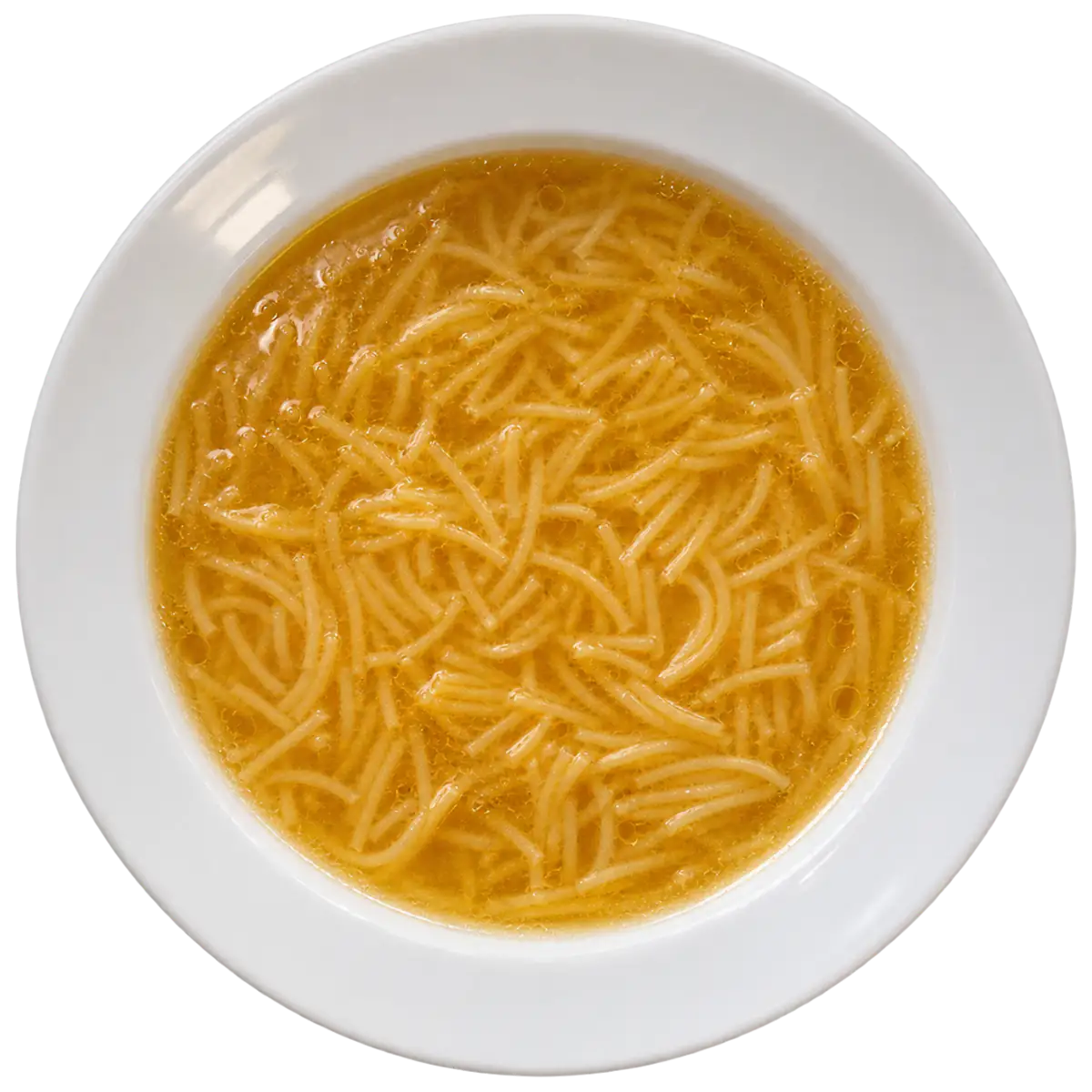
The cocido of Madrid: chickpeas, beef, hen, ham bone, tocino, chorizo and morcilla with cabbage, potato and carrot, served in three vuelcos: the fideo soup, then the chickpeas and vegetables, then the meats.
Origin and history
Madrid's cocido is traditionally linked to the medieval olla podrida, which poorer Madrid households adapted using cheaper cuts, and over time chorizo, morcilla and vegetables joined the pot. Its three vuelcos, the soup first, then the chickpeas and vegetables, then the meats, are the form the Spanish tourist board presents as the cocido madrileño.
Make it at home
- Makes
- 6 servings (soup course and the pot that follows)
- Total time
- 3 h 30 min
- Hands-on
- 1 h
Ingredients
- 400 g2 cups dried chickpeas (garbanzos castellanos), soaked overnight in warm salted water; a mesh bag keeps them together
- 400 g14 oz beef shank (morcillo), in one piece
- 2 chicken thighs, a quarter of a hen is the traditional choice
- 1 beef knee bone (hueso de caña) and 1 beef round bone (hueso de babilla)
- 2 pork spine bones (espinazo)
- 1 piece ham bone or ham end (punta de jamón)
- 1 pig's trotter (manita), split; optional
- 150 g5 oz tocino ibérico (cured pork belly), in one piece
- 2 chorizo for cooking
- 1/2 morcilla de cebolla (onion blood sausage), in one piece
- 1 leek, cleaned, tied
- 3 carrots, peeled
- 600 g1 1/3 lb potatoes, peeled, whole or halved
- 1/2 cabbage (repollo), cut in wedges
- 100 g3 1/2 oz fideos finos (fine vermicelli noodles, cabello de ángel), for the soup
- 4 l4 1/4 qt cold water
- olive oil, garlic, tomato sauce, to dress the chickpeas; optional
- salt
Method
-
1. Put the beef, the bones, the ham, the trotter and the tocino in a large pot, cover with cold water and bring slowly to a boil.
-
2. Skim the foam that rises for about 10 minutes, until the broth is clear, then lower the heat to a gentle simmer.
-
3. Add the chickpeas in their mesh bag and the chicken; cook partly covered for 1 hour.
-
4. Add the leek and the carrots and cook for 45 minutes more, until the chickpeas are tender when pressed. Top up with hot water if the meat is uncovered.
-
5. Add the chorizo and the morcilla for the final 20 minutes so they do not break up.
-
6. Meanwhile, boil the cabbage wedges in a separate pot with some of the broth for 20 minutes; add the potatoes for the last 15 to 20 minutes, until a knife slips in easily.
-
7. Strain about 1.5 litres of the broth into a clean pot, salt it, bring to a boil and cook the fideos for 3 to 4 minutes.
-
8. Serve the first vuelco: the noodle soup, piping hot.
-
9. Serve the second vuelco: the chickpeas with the cabbage, potatoes and carrots, dressed with a drizzle of olive oil, a garlic and oil sofrito, or tomato sauce.
-
10. Serve the third vuelco: the meats, bones, ham, chorizo, morcilla and tocino sliced on a platter.
Notes
- This is the reference form of the dish and the one the Spanish tourist board describes. Against the parent recipe, it adds the ham bone, trotter and spine bones, a leek, vegetables cooked apart, and the tomato sauce or oil that dresses the chickpeas.
- The three vuelcos are the identity of the dish: soup first, legumes and vegetables second, meats last. The cocido maragato of León keeps the same pot but reverses the order.
- Madrileños often add a stuffed meatball (pelota) to the pot, made of breadcrumb, egg, garlic and parsley.
- A pressure cooker is common in Madrid homes and cuts the cooking to about an hour.
- The cabbage is boiled separately to keep the broth from tasting of it.
- Next day, the leftover chickpeas and meats are fried as ropa vieja.
Adapted from Cocido madrileño, Spain.info (Spanish tourist board) and La verdadera receta del cocido madrileño, The Objective.
At the festivals
No festival we list has printed it on a menu yet.