 November 14, 2026
Vendas Novas, Portugal
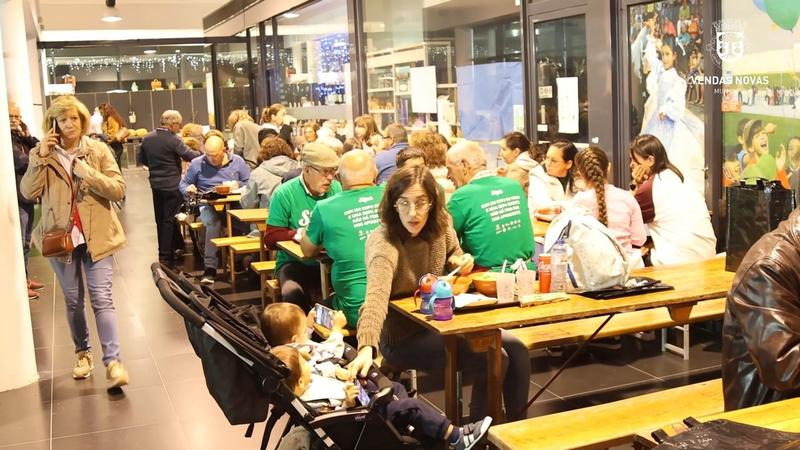
Mostra de Sopas de Vendas Novas
By Rancho Folclórico de Landeira
in 4 days

🇵🇹 Portugal · Alentejo
An Alentejo soup of dogfish (cação) poached in a garlic-and-coriander broth soured with vinegar and thickened with a flour-and-vinegar paste, served over slices of stale bread with the fish.
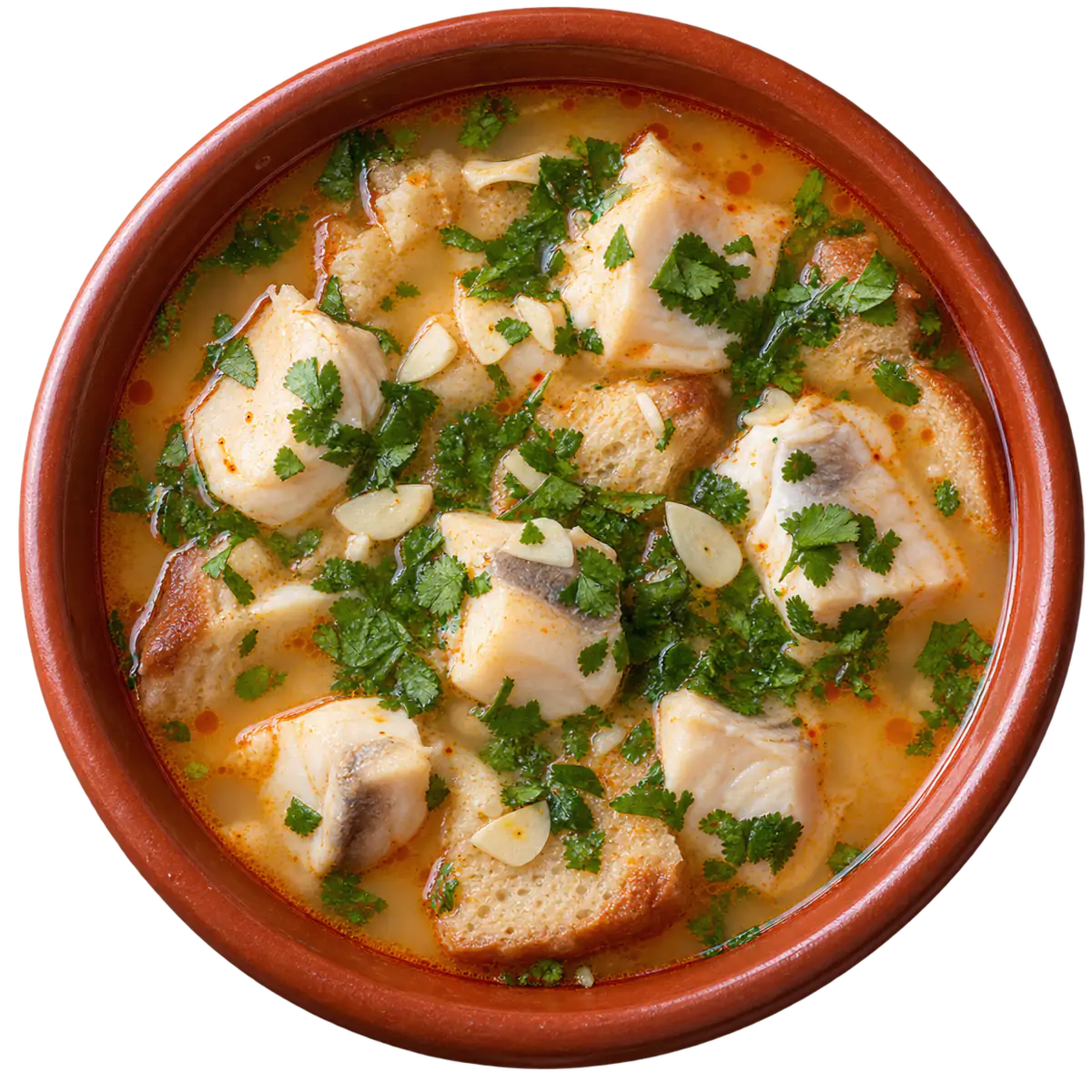
A soup of the inland Alentejo, made from the Alqueva lands to the Alto Alentejo. Cação was cheap and, unlike most sea fish, kept well enough to reach the inland towns, which is why it became the fish of the plains; by popular account the strong garlic, coriander and vinegar seasoning was meant to temper its smell. Served over the week's hard bread, it belongs to the same family as açorda.
1. Rub the cação steaks with the coarse salt and 2 tbsp vinegar and leave them in a dish for 30 minutes, turning once. This firms the flesh and takes away the faint ammonia smell the fish can have.
2. Rinse the fish quickly and pat it dry.
3. Warm the olive oil in a wide pot over medium heat and fry the garlic, bay leaf and chopped coriander for a minute or two, until the garlic smells sweet and is barely golden.
4. Stir in the paprika (if using) off the heat, then pour in the water and bring it to the boil.
5. Lower the heat, slide in the fish steaks and poach them gently for 10-12 minutes, until the flesh comes away from the central cartilage.
6. Lift the fish out onto a warm plate and keep it covered.
7. In a cup, stir the flour with the remaining 2 tbsp vinegar and a few spoonfuls of the hot broth until smooth and free of lumps.
8. Whisk this into the simmering broth and let it bubble for 3-4 minutes, stirring, until it is lightly thickened and no longer tastes of raw flour. Season with salt and pepper; it should be clearly sharp with vinegar.
9. Lay the slices of bread in deep plates or a tureen and ladle the hot broth over them.
10. Set a piece of cação on each plate, scatter with coriander leaves and serve at once.
Adapted from Câmara Municipal de Cuba, Receituário tradicional (Sopa de cação), Roteiro do Alqueva, "Sopa de Cação", and Teleculinária, "Sopa alentejana de cação".
Served at 6 festivals in Portugal.
November 14, 2026
Vendas Novas, Portugal
By Rancho Folclórico de Landeira
 November 21, 2026
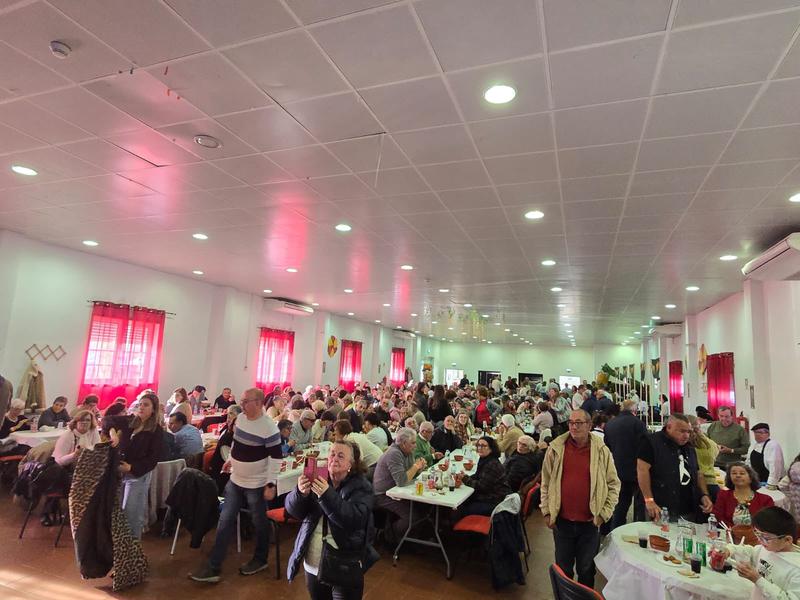
São Vicente e Ventosa, Portugal
By Cantadores da Planície
🇵🇹 Montemor-o-Novo, Portugal
🇵🇹 Portalegre, Portugal
🇵🇹 Arronches, Portugal
🇵🇹 Montemor-o-Novo, Portugal
By Restaurante O Cameirão – Santa Sofia, Montemor-o-Novo, Restaurante Quinta da Nora – Montemor-o-Novo, and Tasquinha Marialva – Montemor-o-Novo
🇵🇹 Santiago do Cacém, Portugal