
🇨🇳 China and 🇭🇰 Hong Kong · Guangdong (Lingnan) and Hong Kong
Zhi ma huChinese black sesame soup
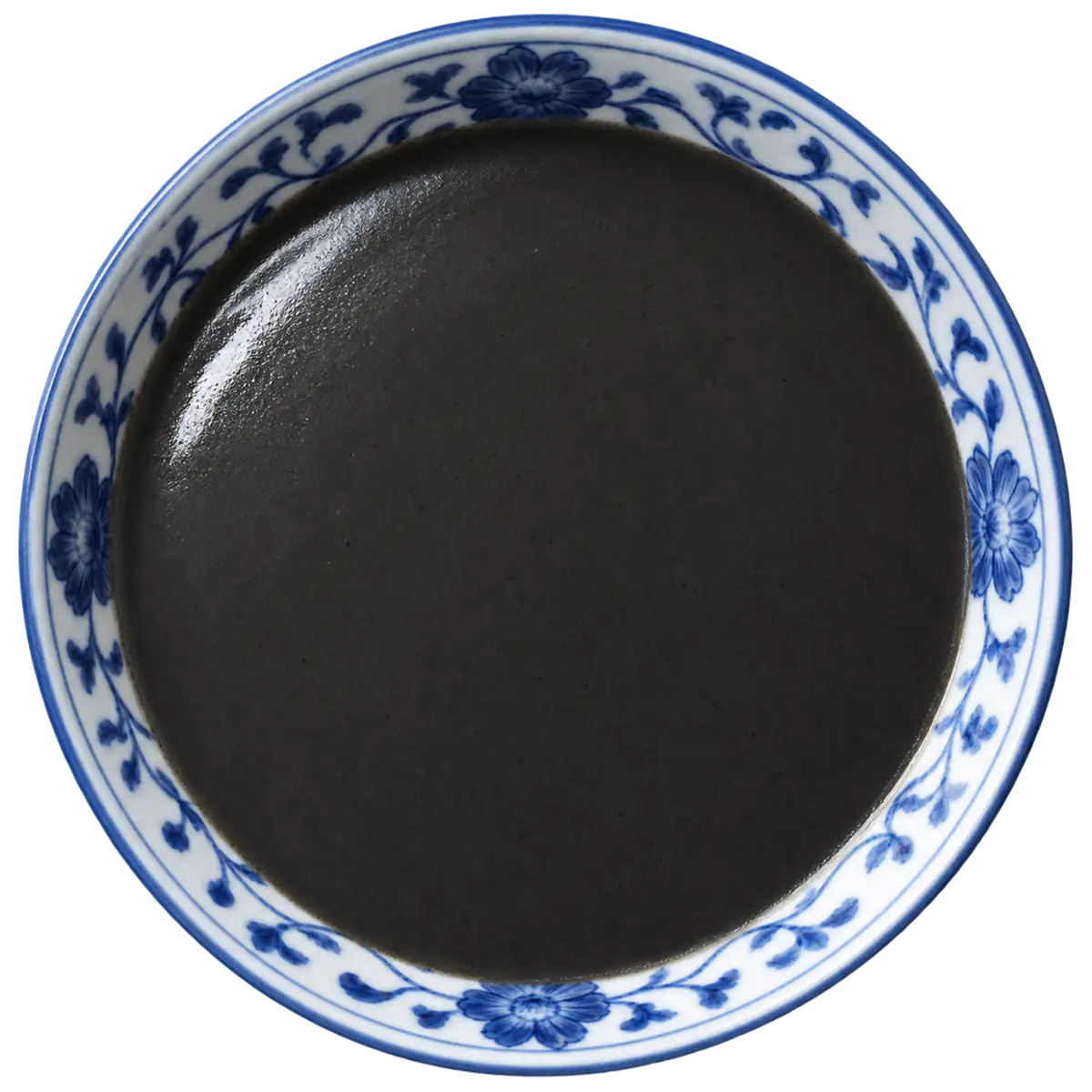
A thick, smooth sweet soup of roasted black sesame ground to a paste with a little rice and cooked in sugar syrup until it thickens. Served hot at the end of a meal.
Origin and history
Cantonese sweet soups (tong sui) began in the Lingnan region and spread across Guangdong, where sugar was thought to ease the humid climate and the Pearl River Delta's sugarcane kept it cheap. In the Republican era they moved from street stalls into dessert shops, especially in Guangzhou, and Hong Kong inherited the tradition. Sesame paste is one of the 'two sands, three pastes' found in nearly every Hong Kong dessert shop, and the Michelin Guide calls it a classic sold in almost every sweet-soup shop.
Make it at home
- Makes
- 4 small bowls
- Total time
- 1 h
- Hands-on
- 20 min
Ingredients
- 130 g3/4 cup (4.5 oz) black sesame seeds, whole, rinsed; sand is rinsed out before roasting
- 30 g2 tbsp (1 oz) white rice, short or long grain; gives body
- 150 ml2/3 cup water, for soaking the sesame and rice
- 650 ml2 3/4 cups water, for the sugar syrup
- 50 g1/4 cup (1.75 oz) slab sugar (pin tong, 片糖), or soft brown sugar, a block of cane sugar sold in Chinese shops; taste and add more if you like it sweeter
Method
-
1. Rinse the sesame seeds in a bowl of water and skim off what floats. Drain well.
-
2. Dry-roast the sesame in a pan over medium-low heat for about 5 minutes, stirring all the time, until fragrant and a little puffed but not bitter or burnt. Set aside.
-
3. Rinse the rice, mix it with the roasted sesame and the 150 ml (2/3 cup) water, and soak for about 30 minutes.
-
4. Blend the sesame, rice and soaking water to a smooth paste; strain if you want it silkier.
-
5. Bring the 650 ml (2 3/4 cups) water to a boil in a pot, add the sugar and stir until it dissolves.
-
6. Pour in the sesame paste, stirring, and simmer gently over low heat for 5 to 10 minutes, stirring often so it does not catch or form lumps, until the soup is thick enough to coat the back of a spoon.
-
7. Serve hot in small bowls, at the end of a meal.
Notes
- Sesame paste is one of the 'three pastes' (sesame, almond, walnut) of the Hong Kong 'two sands, three pastes' set; mung bean and red bean are the sands. The pastes are made by grinding the seed or nut to powder, mixing with water and straining, with a little grain sometimes added for fullness.
- The Michelin Guide says the dish rewards care: time the roasting so the sesame gives its aroma without bitterness, and watch the cooking of the rice milk so it does not clump.
- The rice gives the soup its body. The original recipe uses a block of cane sugar (pin tong), which is uncommon outside Cantonese shops; other sugars can stand in.
- A shop that Michelin lists serves its sesame paste with glutinous rice balls (tong yuen). Hong Kong sources call the pastes good winter soups because they warm the body.
- Make-ahead: it thickens as it cools; loosen with a splash of hot water when reheating.
Adapted from TVBS Health: black sesame soup (zhi ma hu), quantities for sesame, rice and sugar, HK01: history of Hong Kong tong sui and the two sands and three pastes, and Michelin Guide Hong Kong and Macau: traditional Hong Kong desserts.
At the festivals
No festival we list has printed it on a menu yet.