
🇯🇵 Japan
DashiJapanese soup stock
Also called awase dashi
What is dashi?
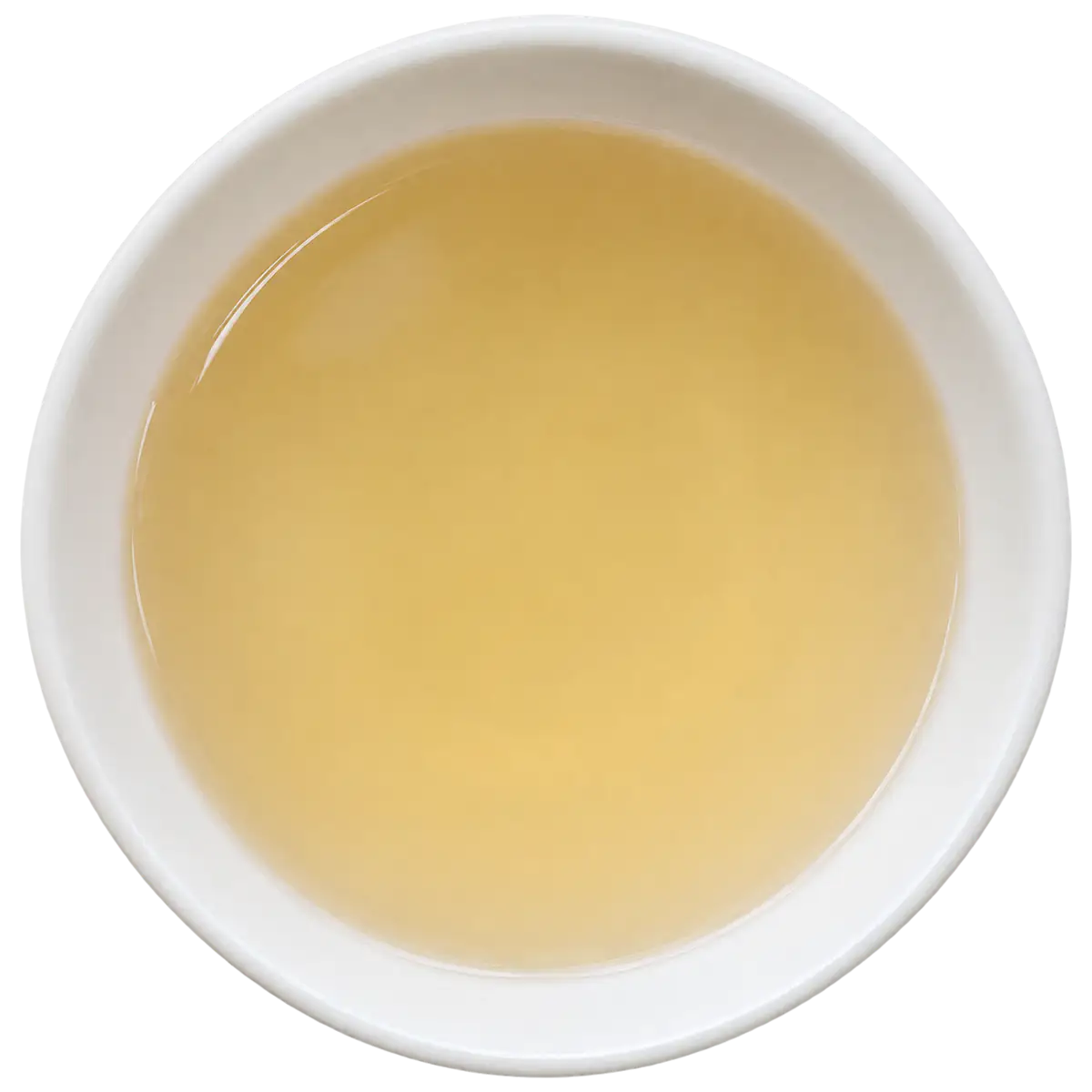
The basic clear broth of Japanese cooking: kombu (dried kelp) and katsuobushi (dried and fermented bonito shavings) steeped briefly in water, sometimes with niboshi (dried small fish) or dried shiitake. It is light, golden and rich in umami, and is the base of miso soup, clear soups, noodle broths and simmered dishes.
- Total time
- 45 min
- Hands-on
- 15 min
- Makes
- about 800 ml (3 1/3 cups)
Dashi recipe
- Total time
- 45 min
- Hands-on
- 15 min
- Makes
- about 800 ml (3 1/3 cups)
Dashi ingredients
- 1 L4 1/4 cups soft or filtered water, cold
- 20 g0.7 oz kombu (dried kelp), Rishiri, Rausu, Hidaka or Ma-kombu; wiped, not washed
- 30 g1 oz katsuobushi (dried bonito shavings), fresh, fine shavings
How to make dashi
-
1. Put the kombu in the cold water in a medium pot and leave it for 30 minutes.
-
2. Set the pot over medium heat and bring it up slowly.
-
3. Lift out the kombu just before the water boils, when tiny bubbles ring the pot, and switch off the heat.
-
4. Wait a minute or two for the water to settle, then scatter the katsuobushi over the surface.
-
5. Let the shavings steep for about 2 minutes, until they sink.
-
6. Strain through a fine sieve lined with a dampened paper towel, without pressing on the shavings.
-
7. Use the dashi at once for miso soup, a clear soup or a noodle broth, or cool and refrigerate it.
Notes
- Soaking the 30 minutes is part of the total time. The broth should be pale gold and clear; boiling the kombu or pressing the shavings clouds it and brings out a fishy edge.
- This is awase dashi, kombu with katsuobushi, the form MAFF says is used more than dashi from a single ingredient. The same method with kombu alone gives kombu dashi, a gentler broth for tofu and vegetable dishes; dried shiitake (guanylic acid) or niboshi can replace or join the katsuobushi.
- Regions favour different bases: Kanto and Tokyo lean on katsuobushi and dark soy sauce, Kansai on kombu and light soy sauce, Kyushu on grilled flying fish (yaki-ago) and niboshi.
- Quantities follow MAFF's 1 litre / 20 g / 30 g; Kikkoman's cookbook uses a lighter 10 g kombu and 20 g katsuobushi per litre, which gives a milder dashi.
- Keep chilled and use within about 3 days (MAFF), or freeze it. The used kombu and shavings can be reused, for example in a simmered dish.
- To turn it into a soup, season about 800 ml with a little salt and light soy sauce and add tofu, wakame or fish; for miso soup, dissolve miso into it off the boil.
Adapted from MAFF (Japan Ministry of Agriculture, Forestry and Fisheries): dashi and awase dashi, aff magazine November issue and Kikkoman Cookbook: Dashi (kombu and dried bonito flakes).
Dashi origin and history
Dashi is 'drawn' from dried ingredients in a short time, unlike a bouillon simmered for hours. MAFF says the method of making katsuobushi was settled in the Muromachi period, that kombu dashi is said to have been used for around 8,000 years, and that dashi culture spread along the Kitamaebune shipping route. Ikeda Kikunae named umami in 1908 after finding glutamate in kombu.
Dashi at soup festivals
No festival we list has printed it on a menu yet.