
🇯🇵 Japan

Miso soup

Japanese soup of dashi (kombu and bonito) into which miso paste is dissolved, with small additions such as tofu, wakame and scallion.
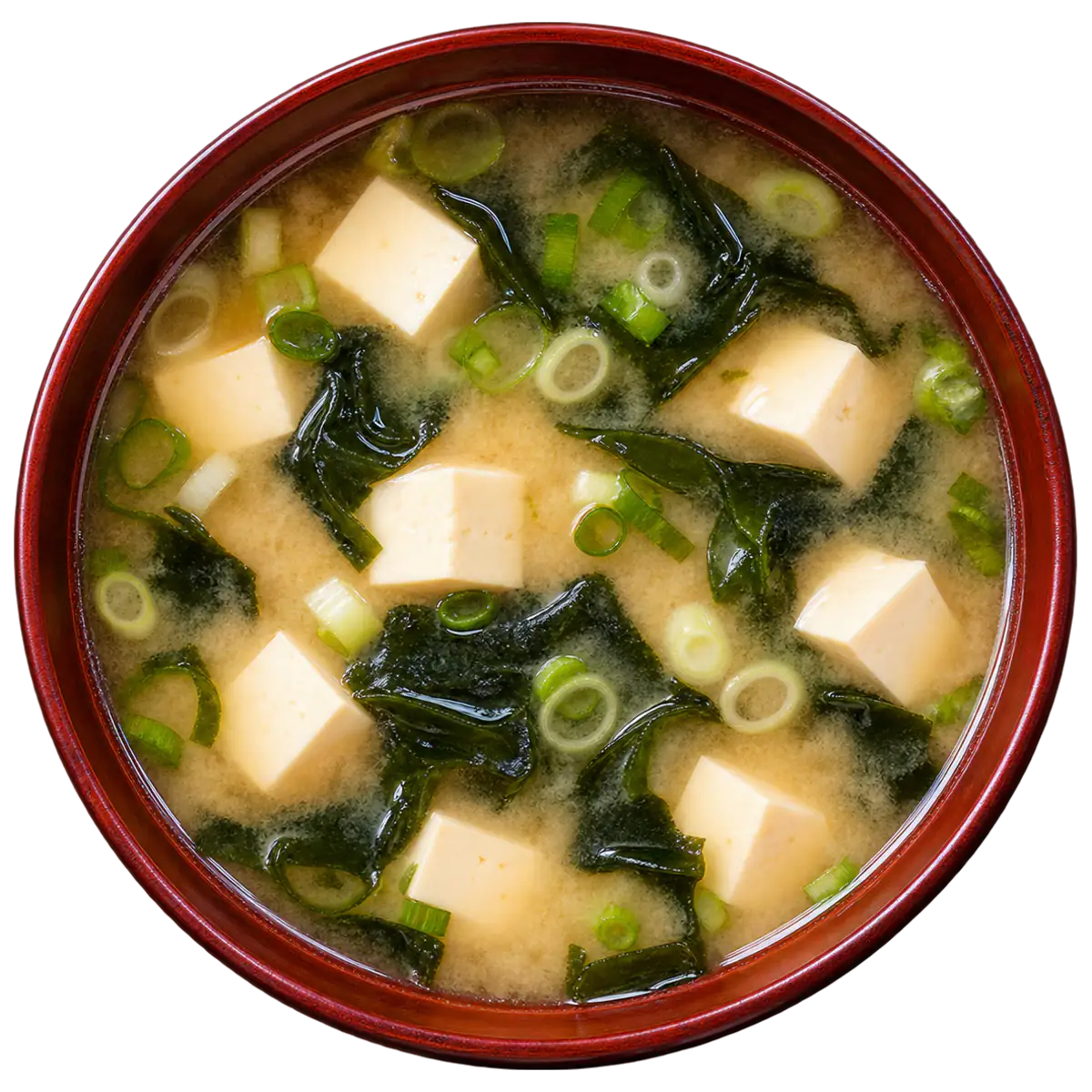
Miso soup

Origin and history

Miso was known in Japan by the Heian period, and the usual account dates miso soup to the Kamakura period, when miso began to be ground so that it dissolved in water, spreading among ordinary people during the Muromachi period. It became the soup (shiru) of the everyday Japanese meal of rice, soup and side dishes, eaten at breakfast and with most home meals, with miso types and additions that change by region and season.

Make it at home

Makes
4 servings
Total time
50 min
Hands-on
15 min

Ingredients

Units
  • 1 l4 1/4 cups water, soft water if possible
  • 15 g1/2 oz kombu (dried kelp), a piece about 10 x 10 cm (4 x 4 in), wiped with a damp cloth, not washed
  • 15-20 g1/2-3/4 oz (about 2 loosely packed cups) katsuobushi (dried bonito flakes)
  • 60-80 g3 1/2-4 1/2 tbsp miso, awase (blended), shiro (white) or aka (red) miso; amount depends on its saltiness
  • 150 g5 oz tofu, silken (kinugoshi) or firm (momen), in 1-1.5 cm (1/2 in) cubes
  • 2 g1 tbsp dried cut wakame seaweed, soaked 5 min in water and drained
  • 1 negi (Japanese leek) or 2 scallions, thinly sliced

Method

  1. 1. Put the kombu in a pot with the water and leave it to soak for at least 30 minutes.

  2. 2. Set the pot over low heat and warm it slowly. When small bubbles cling to the kombu, just before the water boils, lift the kombu out.

  3. 3. Bring the water to the boil, add the katsuobushi all at once and take the pot off the heat (or simmer it for no more than a minute).

  4. 4. Leave it until the flakes sink, 1-2 minutes, then strain the dashi through a sieve lined with paper towel or cloth. Let it drip; do not squeeze the flakes, which clouds the stock and makes it bitter.

  5. 5. Measure 800 ml (3 1/3 cups) of the dashi back into the pot and heat it. Add the tofu and warm it through for a minute or two over medium heat.

  6. 6. Turn the heat low. Put the miso in a ladle or small strainer, lower it into the pot and dissolve it with chopsticks or a spoon, stirring until no lumps remain. Taste and add a little more miso if needed.

  7. 7. Add the wakame and heat until the soup is steaming and just about to bubble (nie-bana, 'the moment of boiling'). Do not let it boil, or the miso loses its aroma.

  8. 8. Ladle into lacquer or wooden bowls, scatter over the negi and serve at once, with rice.

Notes

  • Total time: 50 min, including 30 min soaking the kombu.
  • Miso soup is defined by the dashi and the miso, not by its additions (the gu). Tofu and wakame is the everyday classic; others are daikon and fried tofu (aburaage), clams (asari or shijimi), potato and onion, nameko mushrooms, spinach or seasonal vegetables. Hard vegetables are cooked in the dashi before the miso goes in.
  • The kind of miso changes with the region: mellow rice miso in Kantō and much of the country, sweet white saikyō miso in Kyoto, dark soybean miso (mame miso, hatchō) in Aichi and the Nagoya area, barley miso in Kyūshū and Shikoku. Many households blend two.
  • Dashi can also be made with niboshi (dried sardines), a common everyday stock in many homes, or with kombu alone or dried shiitake for a vegetarian soup. Instant dashi granules are widely used at home; they are saltier, so reduce the miso.
  • As a rule of thumb, use about 1 tbsp (15-20 g) of miso for each 150-200 ml of dashi.
  • Make the dashi ahead if you like (it keeps 2-3 days in the fridge), but add the miso just before serving. Reheat miso soup gently and never let it boil.
  • Tonjiru (butajiru), with pork and root vegetables, is the hearty cousin of the everyday soup. Related: the miso form of ramen, which is a noodle dish, and ozoni, the New Year soup.

Adapted from Kyoto Prefecture food education (shokuiku), "Ichiban dashi" and miso soup recipe and Shobara City (Hiroshima), "Dashi ni tsuite shirou".

At the festivals

Served at 1 festival in Portugal.

Coming up

Where to eat it

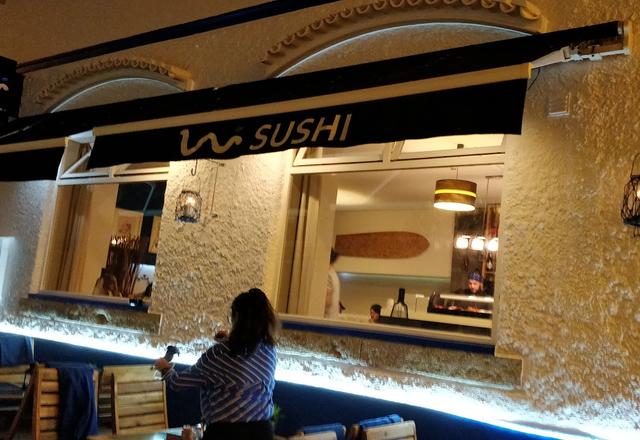
Restaurants that brought it to a soup festival.
How to read festival information

We work to keep festival information right, but festivals are run by others and details change. Here is how to read what you see on SoupFestivals.

Confirmed or expected

A confirmed date was announced for that edition. An expected date, such as "usually held around mid-October", is an estimate based on past editions, not an announcement.

Places can be approximate

We show a map pin and directions only when the venue's location is verified. If it is still unconfirmed, we keep the known venue name and town without a pin.

Check before you travel

Dates, prices, menus and venues can change, and festivals can be cancelled. Always confirm with the organizer before you go. If their information differs from ours, theirs is the one to follow.

Help us keep it right

If something looks wrong, tell us and we will look at it. Organizers can claim their festival page to send us updates.

Spotted something wrong? Tell us and we will look at it. You can also message us on Instagram, @soupfestivals
