
🇬🇷 Greece · especially the Aegean islands
PsarosoupaGreek fish soup
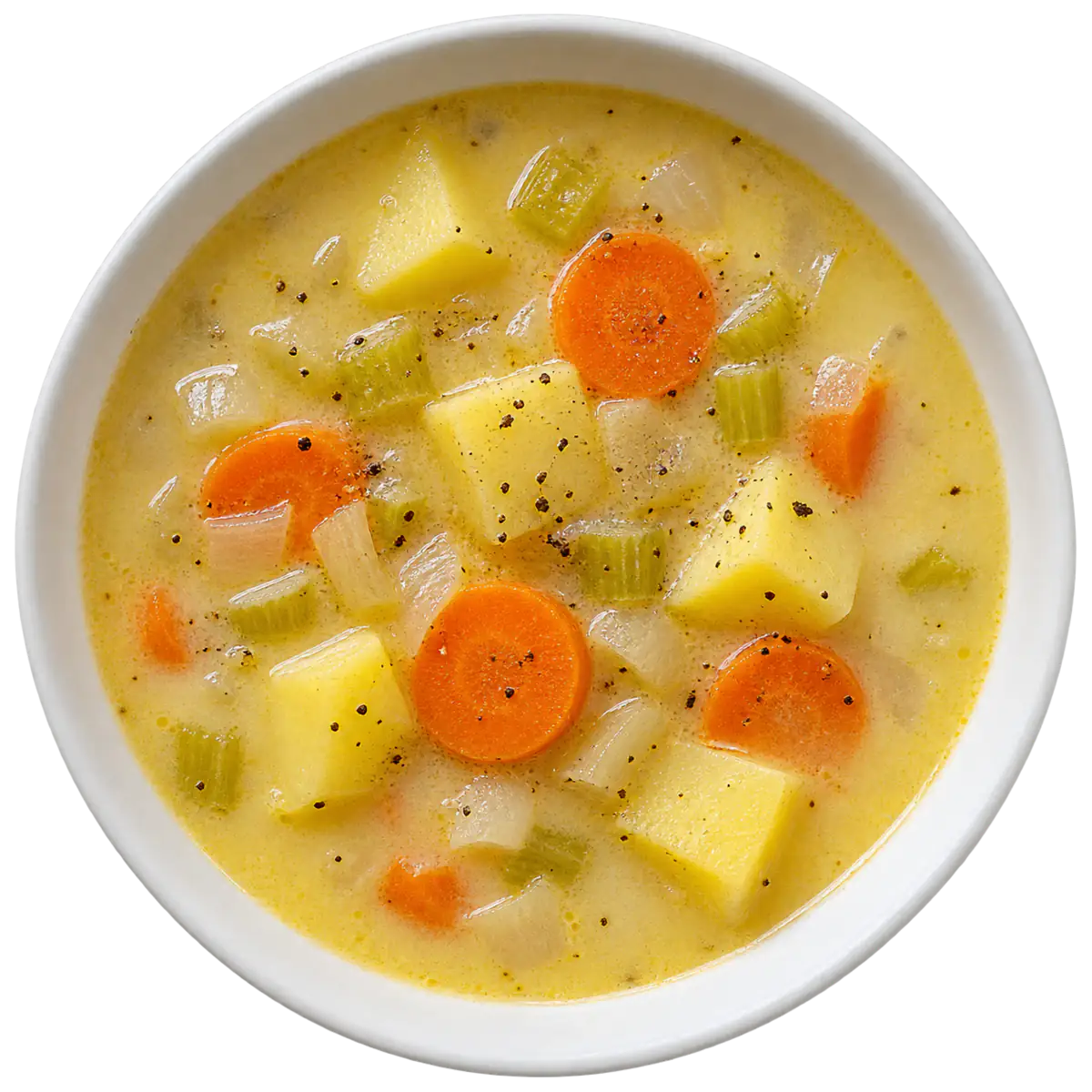
A Greek soup of white fish simmered with potato, carrot, onion and celery (rice in some islands), served in deep bowls, often finished with avgolemono, with the fish eaten separately with olive oil and lemon.
Origin and history
Travel.gr's food writing describes psarosoupa as the homecoming meal of the Aegean, made with large fish such as grouper and served in deep bowls with the fish and vegetables on plates, and its author tells of one made to welcome a sea captain home. Kalofagas places it in the wider Greek fish-soup tradition beside kakavia, with recipes varying by house and region. The sources read give no date or earlier history.
Make it at home
- Makes
- 6 servings
- Total time
- 1 h 15 min
- Hands-on
- 35 min
Ingredients
- 1.5 kg3.3 lb whole firm white fish, grouper (orfos), rockfish, scorpionfish, monkfish or dentex, cleaned, cut in big pieces with the head and bones
- 4 medium onions, quartered
- 3-4 carrots, sliced thickly
- 3 large potatoes, cubed
- 3 celery stalks, diced, or a bunch of selino (leaf celery)
- 60 ml1/4 cup olive oil, extra virgin
- 2.2 l9-10 cups cold water
- 2 eggs, for the avgolemono
- 1 large lemon, juiced, plus wedges to serve
- 1 tbsp flour, optional, to stabilise the avgolemono
- salt and black pepper, to taste
- olive oil, lemon and bread, to serve with the fish
Method
-
1. Salt the fish pieces lightly and leave them for 15 minutes while you prepare the vegetables.
-
2. Heat the olive oil in a large pot and cook the onions, carrots and celery over medium heat for about 10 minutes, until the onions turn translucent.
-
3. Add the potatoes and stir, then pour in the cold water, season with salt and pepper, bring to a boil, then simmer covered for 30 minutes.
-
4. Lower the fish into the pot, bring it back to a gentle boil and simmer for 15 to 20 minutes, until the flesh just flakes.
-
5. Lift the fish out onto a platter and cool slightly; check the salt in the broth.
-
6. Beat the eggs, lemon juice and flour (if using) until frothy. Ladle in 2 or 3 cups of hot broth one at a time, whisking constantly, then stir the mixture back into the pot off the heat; do not let it boil.
-
7. Serve the broth with the potatoes and carrots in deep bowls, and the fish on a plate with a drizzle of raw olive oil, lemon and pepper.
Notes
- Psarosoupa here is a pale fish-and-vegetable broth rather than a tomato-red fish stew (the travel.gr household version adds a fresh tomato or two, so it is not strictly colourless). The fish is eaten apart from the broth, dressed with olive oil, pepper and lemon, as on the Aegean islands.
- Quantities follow Kalofagas's psarosoupa avgolemono (monkfish or grouper, onions, celery, carrots, potatoes). A magazine piece on the Aegean festive soup adds rice cooked in the strained broth and, with grouper, serves skordalia alongside; one family member stirs a spoonful into the soup.
- A chef's version in the newspaper Proto Thema purées the soup with leek, fennel, wine, saffron and herbs and serves fillets and shellfish in it; it is a more modern, restaurant approach than the home version above.
- Use very fresh fish: Kalofagas and travel.gr both stress freshness and simple cooking. Grouper, monkfish, dentex or red snapper all suit; monkfish has few bones, and its head and spine can go into the pot.
- Skip the avgolemono and serve with lemon wedges for a lighter soup.
Adapted from Kalofagas: Psarosoupa avgolemono, travel.gr: Nostimon imar sto Aigaio me doxastiki (Aegean psarosoupa), and Proto Thema: Paradosiaki psarosoupa (Sotiris Evangelou).
At the festivals
No festival we list has printed it on a menu yet.