 November 14, 2026
Vendas Novas, Portugal
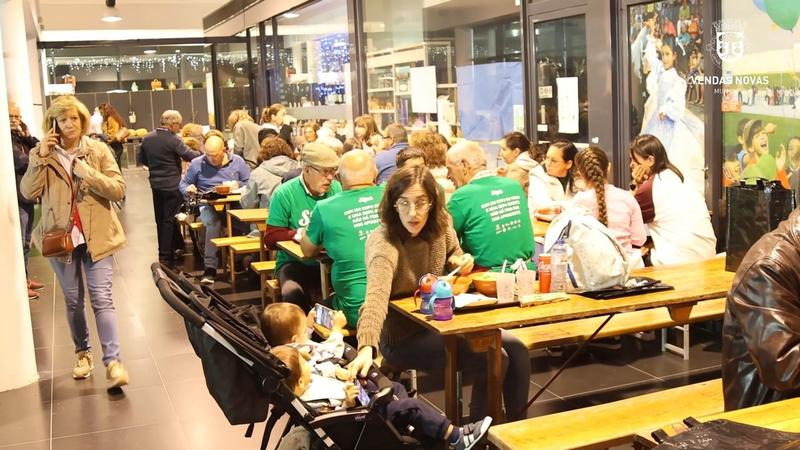
Mostra de Sopas de Vendas Novas
By Asso. de Moradores da Afeiteira
in 4 days

🇵🇹 Portugal, 🇧🇷 Brazil, and 🇨🇻 Cabo Verde
A light chicken broth cooked with rice or small pasta (pevides, letrinhas), with the shredded chicken served in it. Popular in Portugal, Brazil and Cape Verde and widely held to be restorative food for the sick.
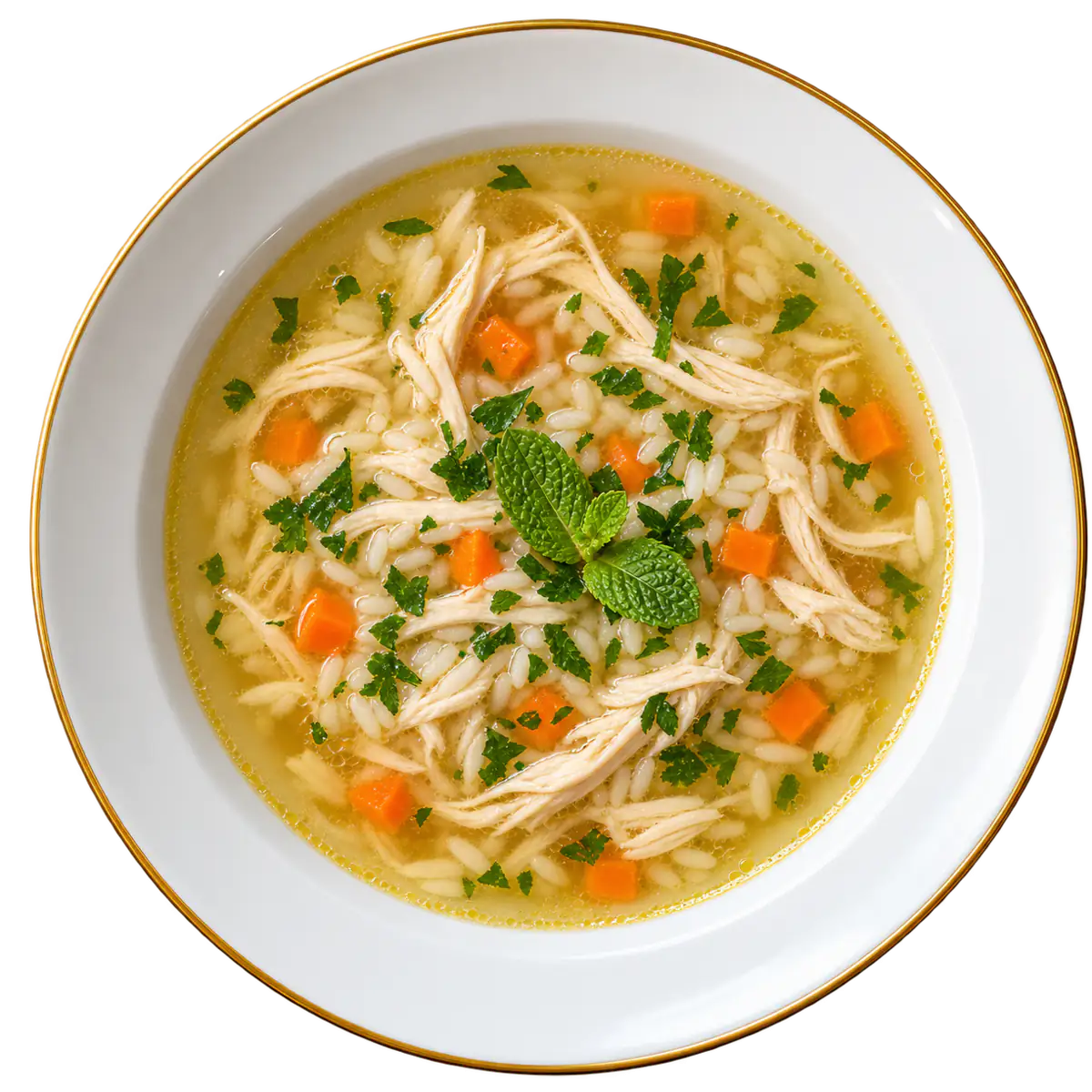
Canja is the chicken-and-rice or chicken-and-pasta broth of Portuguese homes, taken to Brazil and Cape Verde, where it is just as familiar. Its origins are debated. The name is usually traced to kanji, the rice water of southern India that Garcia da Orta, writing in Goa in 1563, called canje; others point to Chinese congee. Either way it is the classic food for the sick and for convalescents in Portugal and Brazil.
1. Clean the hen, trim off excess fat from the cavity, and rinse it with the giblets (heart, gizzard and liver).
2. Put the hen and giblets (keep the liver aside, it toughens with long cooking) in a large pot with the cold water, onion, carrot if using, oil and a teaspoon of salt.
3. Bring slowly to the boil and skim off the foam that rises in the first 10 minutes.
4. Lower the heat so the broth barely simmers, half-cover and cook for 1 1/2 to 2 hours, until the meat comes away from the bone; add the liver and any unlaid eggs for the last 15 minutes.
5. Lift out the hen, giblets, eggs and carrot; strain the broth through a fine sieve and skim off some of the fat. You need about 2 l (8 1/2 cups).
6. Bring the broth back to the boil, taste for salt and add the pasta or rice.
7. Cook until the pasta is very soft, about 10 to 12 minutes for pevide, or 15 to 18 minutes for rice, stirring now and then.
8. Meanwhile remove the skin and bones and pull the meat into small shreds; chop the giblets, the carrot and the eggs (or the hard-boiled eggs).
9. Return the shredded chicken, giblets, carrot and egg to the pot and heat for 2 to 3 minutes.
10. Serve hot, with a few mint leaves torn over each bowl.
Adapted from Roteiro Gastronómico de Portugal, Canja de galinha (Beira Litoral), Nestlé Cozinhar (Portugal), Canja de galinha, e-konomista, Canja de galinha tradicional, and Panelinha (Rita Lobo), Canja de galinha.
Served at 36 festivals in Portugal, Denmark, Brazil, and France.
November 14, 2026
Vendas Novas, Portugal
By Asso. de Moradores da Afeiteira
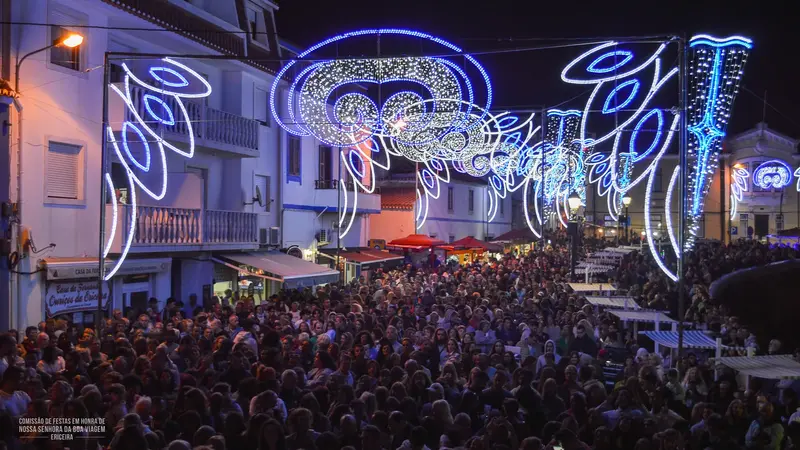 November 21, 2026
Ericeira, Portugal
By Pirolito and 7 Desejos
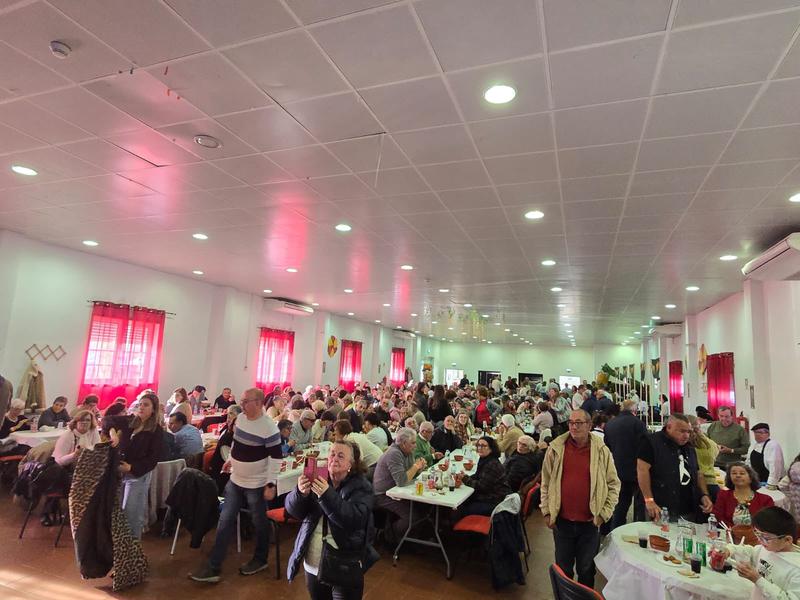 November 21, 2026
São Vicente e Ventosa, Portugal
By Cantadores da Planície
🇧🇷 Tubarão, Brazil
On the menu as canja
🇧🇷 Inácio Martins, Brazil
On the menu as Canja de galinha caipira
🇧🇷 São Paulo, Brazil
On the menu as Canja Caseira
🇧🇷 São Paulo, Brazil
On the menu as canja de galinha caipira
By Ceagesp
🇵🇹 Caldas da Rainha, Portugal
On the menu as canja
🇵🇹 Torreira, Portugal
🇵🇹 Louriçal, Portugal
On the menu as Canja
By Sections of the Associação C.R.D. do Louriçal
🇵🇹 Águeda, Portugal
On the menu as Canja
By Restaurante «A Adega do Manel»
🇵🇹 Aveiro, Portugal
On the menu as Canja
🇵🇹 Penacova, Portugal
🇵🇹 Arazede, Portugal
🇵🇹 Seixal, Portugal
🇫🇷 Strasbourg, France
By ACPS
🇵🇹 Leiria, Portugal
On the menu as canja
By local restaurants, former festeiros and friends of the organisation
🇵🇹 Montemor-o-Novo, Portugal
On the menu as Canja
By Casa das Empadas: O Bifanas – Montemor-o-Novo, Pizzaria Santa Loucura – Montemor-o-Novo, Regalenga Bar – Montemor-o-Novo, Shima Soup – Montemor-o-Novo, and Restaurante O Cameirão – Santa Sofia, Montemor-o-Novo
🇧🇷 Cocal do Sul, Brazil
By Chefs: Cozinha da APAE; sponsor: Supermercado São Pedro e another sponsor (name partly hidden on the sign)
🇧🇷 Curitiba, Brazil
On the menu as Canja
By Parish community volunteers
🇵🇹 Coimbra, Portugal
On the menu as Canja de galinha com arroz
By Associação Cozinhas Económicas Rainha Santa Isabel
🇵🇹 Águeda, Portugal
By LAAC – Liga dos Amigos de Aguada de Cima
🇵🇹 Leiria, Portugal
🇵🇹 Lisboa, Portugal
🇵🇹 Proença-a-Nova, Portugal
🇵🇹 Proença-a-Velha, Portugal
On the menu as Canja Conventual
By Paróquia de Proença-a-Velha
Restaurants that brought it to a soup festival.
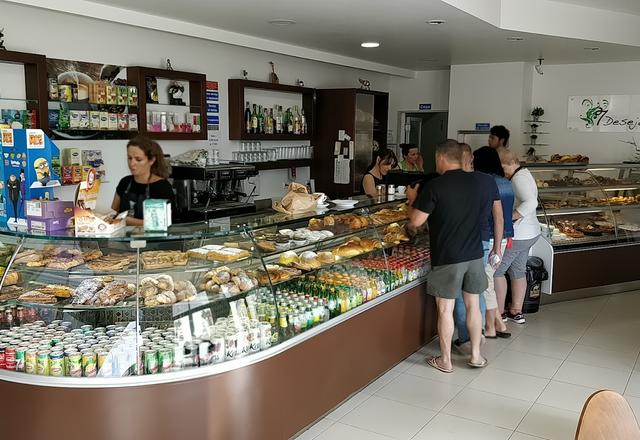
Ericeira, Portugal
Photos: Philippe SAINT-MAURICE · Google
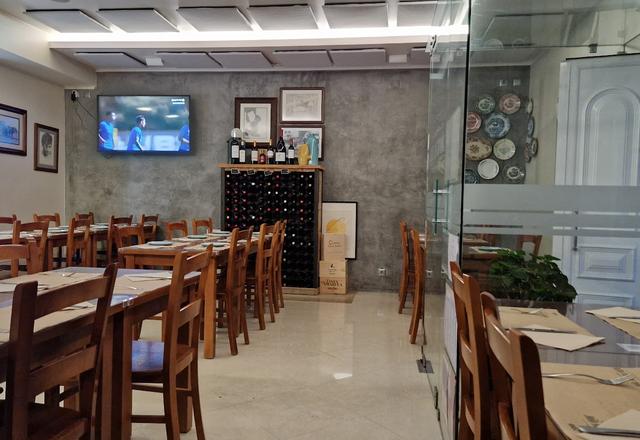
Mafra, Portugal
Photos: Nency Pioux · Google
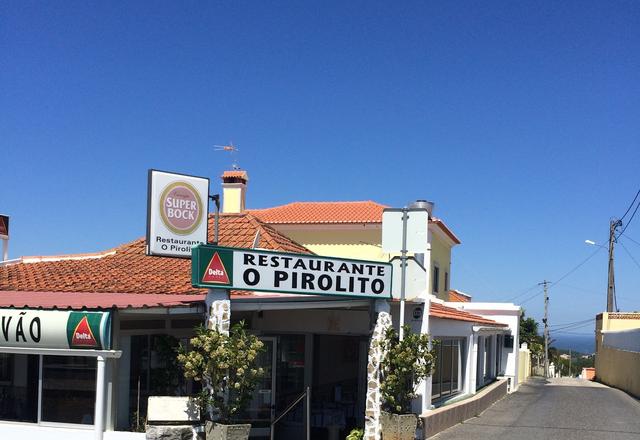
Ericeira, Portugal
Photos: Restaurante O Pirolito · Google