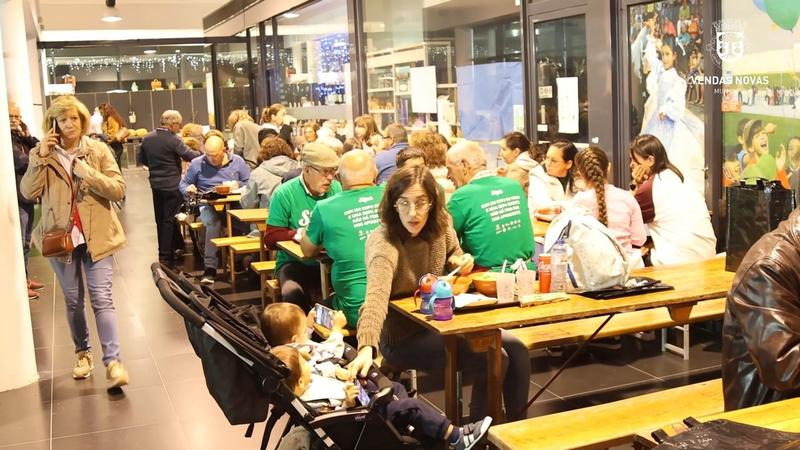
 November 14, 2026
Vendas Novas, Portugal
Mostra de Sopas de Vendas Novas
By Rancho Folclórico das Piçarras
in 4 days

🇵🇹 Portugal · Minho (Northern Region)
A Portuguese soup of potato purée with very finely shredded couve galega (Portuguese kale) and olive oil, served with a slice of chouriço or salpicao and traditionally with broa (corn bread).
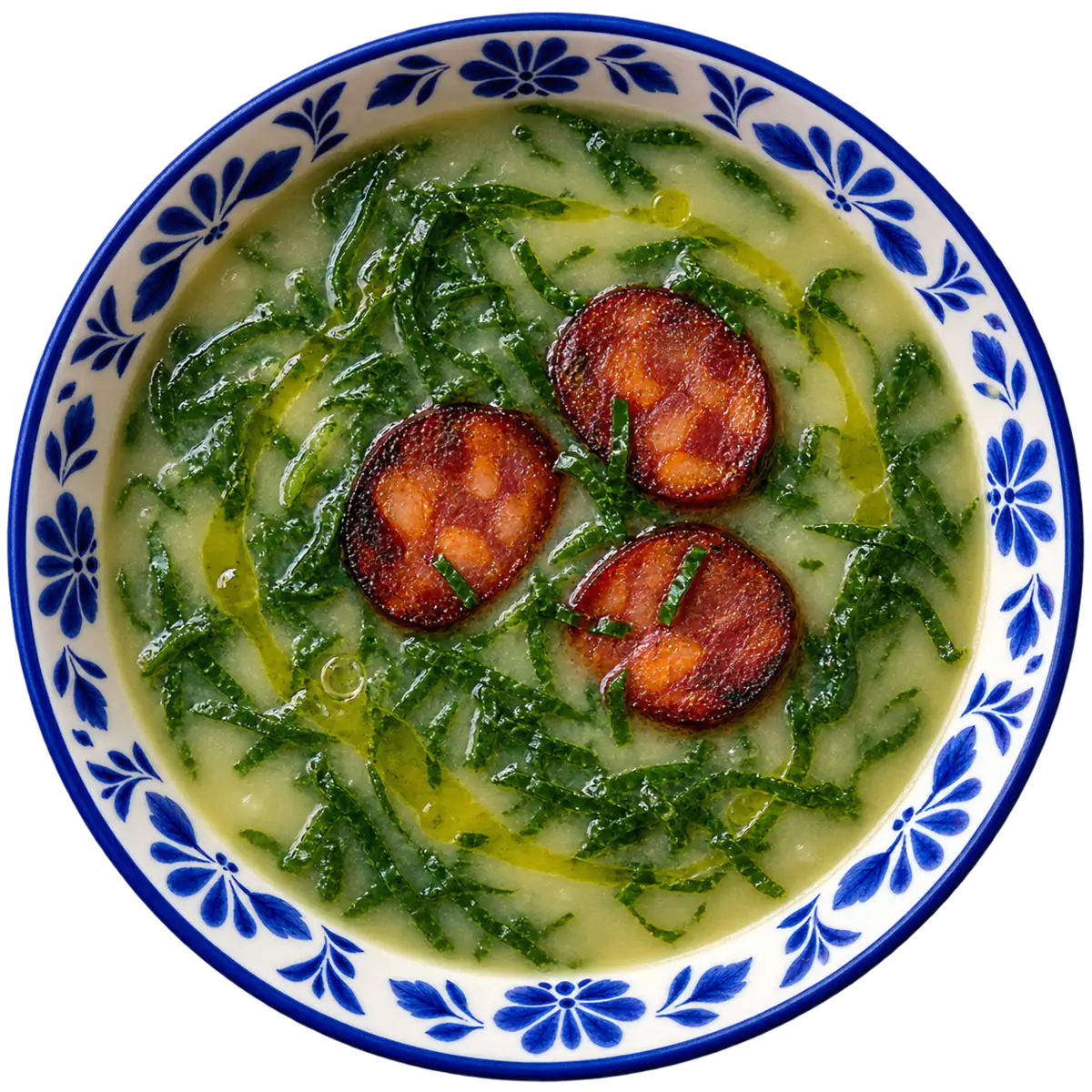
A soup of the Minho, in northern Portugal. A study of the region's food heritage traces it to a 'caldo de unto do Minho' recorded by the cook Francisco Borges Henriques in the early 18th century; potatoes and olive oil came into it during the 19th century, giving the caldo verde known today. From the north it became a national dish, and in 2011 it was voted one of Portugal's Seven Wonders of Gastronomy.
1. Put the potatoes, onion and garlic (if using) in a pot with the water, the salt and half the olive oil. Bring to the boil and simmer for about 20 minutes, until the potatoes break when pressed.
2. Meanwhile, roll the couve leaves into tight cigars and slice them across as finely as you can, into threads no wider than 2 mm. Rinse the threads in cold water and drain.
3. Purée the potatoes and onion in their water, with a stick blender or through a food mill, into a smooth broth. It should coat a spoon but stay pourable; add hot water if it is thicker than single cream.
4. Bring the broth back to a lively simmer and drop in the couve. Cook uncovered for 3-5 minutes, stirring once or twice, until the greens are tender but still bright green.
5. Add the remaining olive oil, taste for salt, and take the pot off the heat.
6. Ladle into bowls (traditionally clay malgas), lay one or two slices of chouriço in each, add a thin thread of raw olive oil and serve with broa.
Adapted from Maria de Lourdes Modesto recipe archive, Associação de Cozinheiros Profissionais de Portugal (Caldo verde, Entre Douro e Minho) and Anabela Ramos, "Caldo de unto do Minho", in Referencial Gastronómico do Minho (Universidade de Coimbra, 2021).
Served at 40 festivals in Portugal, Denmark, and Brazil.
November 14, 2026
Vendas Novas, Portugal
By Rancho Folclórico das Piçarras
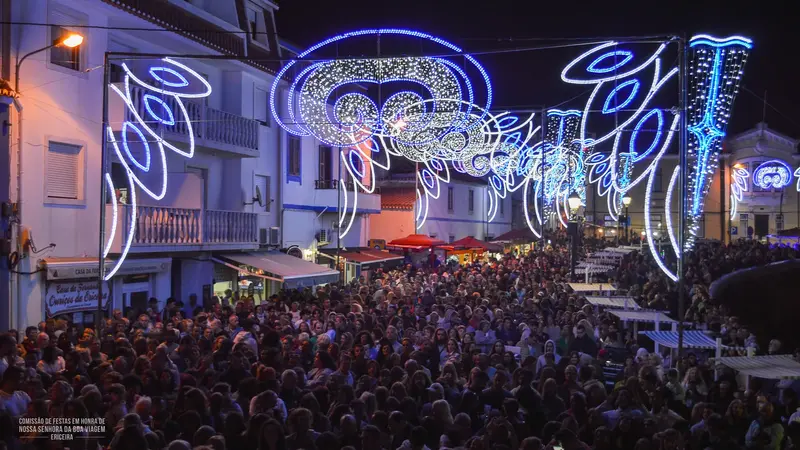 November 21, 2026
Ericeira, Portugal
By Gafanhoto
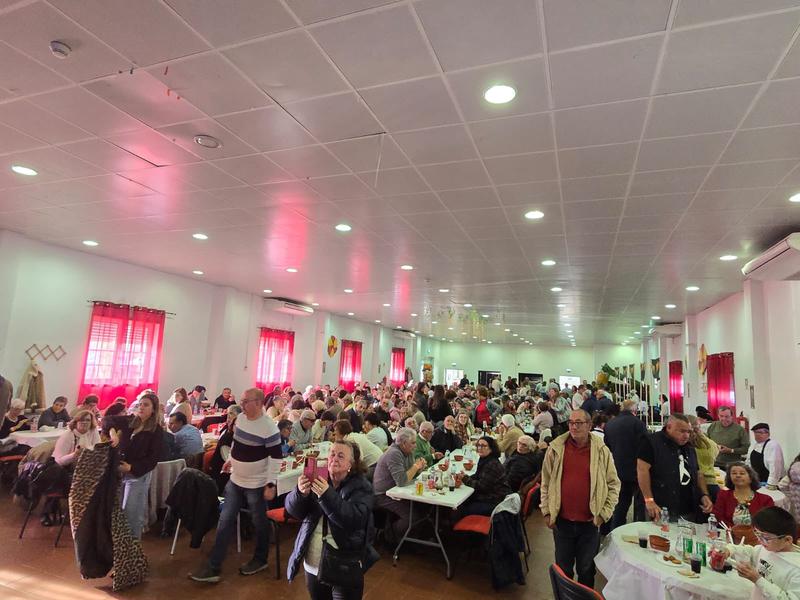 November 21, 2026
São Vicente e Ventosa, Portugal
By Cantadores da Planície
🇵🇹 Sintra, Portugal
🇩🇰 Copenhagen, Denmark
🇧🇷 São Paulo, Brazil
🇧🇷 Marau, Brazil
🇧🇷 Aratiba, Brazil
🇵🇹 Coimbra, Portugal
By Grupo Etnográfico da Região de Coimbra
🇵🇹 Caldas da Rainha, Portugal
🇵🇹 Torreira, Portugal
🇵🇹 Vila Real, Portugal
🇵🇹 São Vicente e Ventosa, Portugal
🇵🇹 Louriçal, Portugal
By Sections of the Associação C.R.D. do Louriçal
🇵🇹 Aveiro, Portugal
🇵🇹 Penacova, Portugal
🇵🇹 Espinho, Portugal
🇵🇹 Lixa, Portugal
🇧🇷 Piedade, Brazil
🇧🇷 Guarulhos, Brazil
🇵🇹 Tabuaço, Portugal
🇧🇷 Guarapuava, Brazil
🇧🇷 Aratiba, Brazil
🇵🇹 Coimbra, Portugal
By Grupo Etnográfico da Região Centro – GERC
🇵🇹 Arazede, Portugal
🇵🇹 Chamusca, Portugal
🇵🇹 Casais Monizes, Portugal
🇵🇹 Ericeira, Portugal
By Cervejaria 7 Janelas and O Gafanhoto
🇵🇹 Seixal, Portugal
🇵🇹 Leiria, Portugal
By local restaurants, former festeiros and friends of the organisation
🇵🇹 Montemor-o-Novo, Portugal
By Petiscaria 3 Marias – Lavre, Montemor-o-Novo and Rancho Folclórico e Etnográfico Montemorense – Montemor-o-Novo
🇧🇷 Cocal do Sul, Brazil
By Chefs: Edemar, Kiko e Fernando; sponsor: Marabru (sponsor name partly hidden on the sign; Medzel, Marabru and hga logos on the aprons)
🇵🇹 Coimbra, Portugal
By Grupo Etnográfico da Região de Coimbra
🇵🇹 Chamusca, Portugal
By freguesias do concelho e Universidade Sénior de Vale de Cavalos (showcookings)
🇵🇹 Seixal, Portugal
🇵🇹 Sertã, Portugal
🇵🇹 Leiria, Portugal
🇧🇷 São Paulo, Brazil
🇵🇹 Proença-a-Nova, Portugal
🇵🇹 Santiago do Cacém, Portugal
🇧🇷 Telêmaco Borba, Brazil
🇵🇹 Arazede, Portugal
🇧🇷 Aratiba, Brazil
🇵🇹 Alcanede, Portugal
Restaurants that brought it to a soup festival.
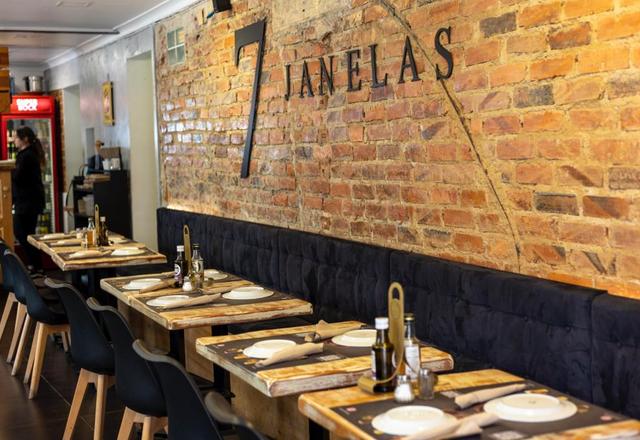
Ericeira, Portugal
Photos: Cervejaria 7 Janelas · Google
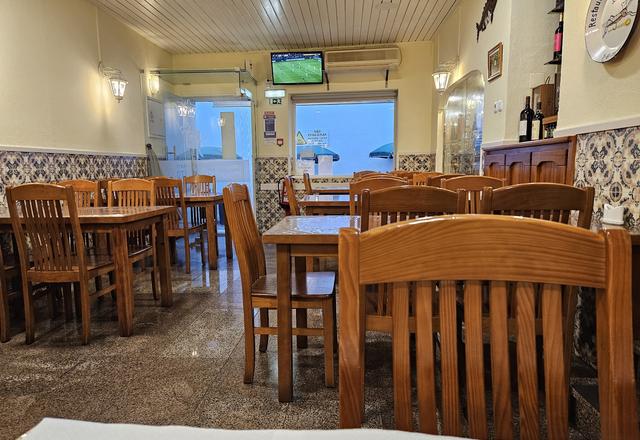
Ericeira, Portugal
Photos: Joao Rodrigues · Google