 November 21, 2026
Ericeira, Portugal
Festival das Sopas da Ericeira
By Tik Tak, Tik Tapas, Coisas de Comer, and Luxembourg
in 11 days

🇵🇹 Portugal
The everyday Portuguese soup of potato, onion, carrot and a seasonal green, cooked in water with olive oil and usually puréed smooth, sometimes with greens added whole at the end.
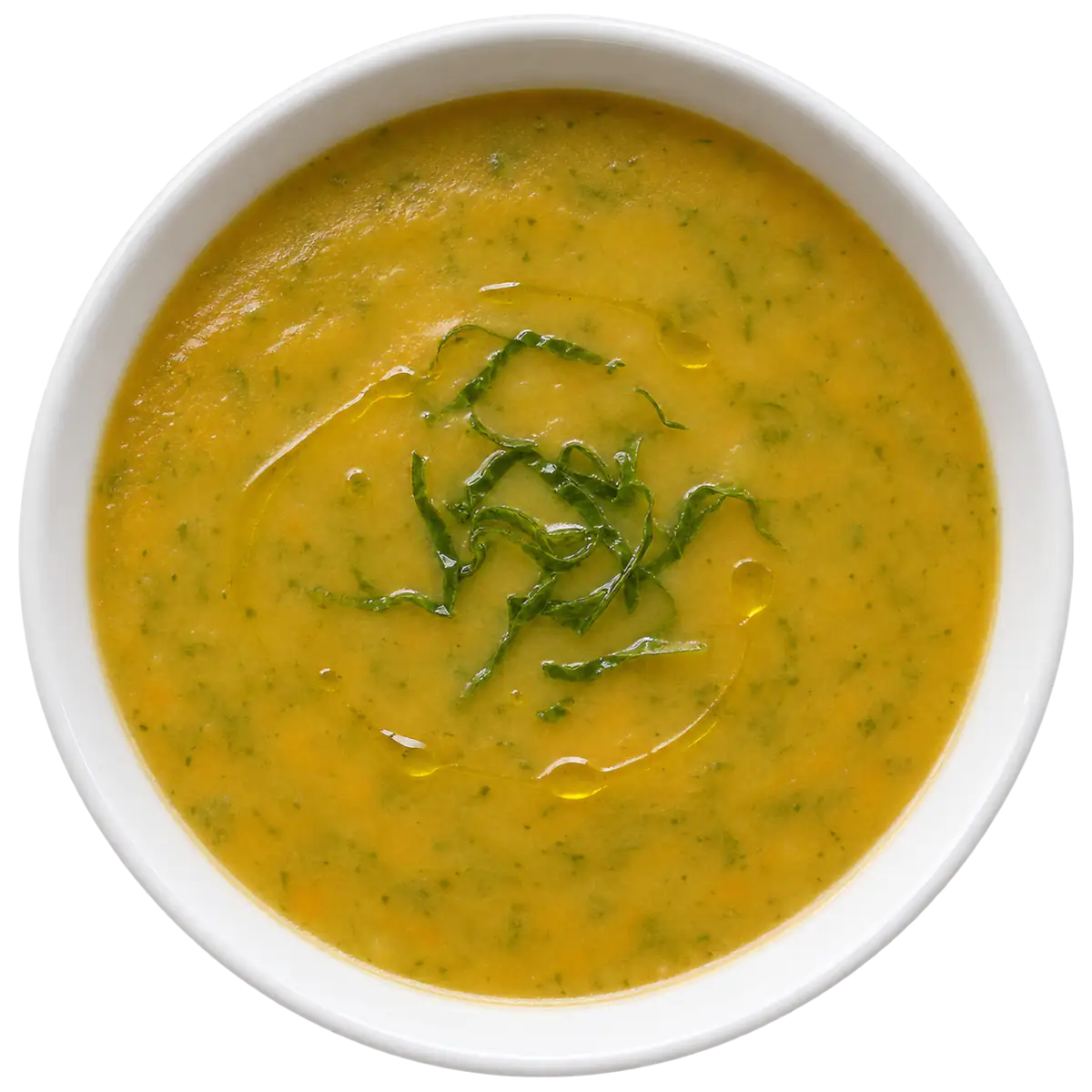
In Portugal soup opens the everyday meal, at home and in restaurants, where a plain vegetable soup is the usual sopa do dia, and a large share of the vegetables people eat comes to the table this way. Sopa de legumes is the common form: a base of potato, onion and carrot with a seasonal green, cooked in water, puréed and dressed with olive oil, and named after its leading vegetable when one stands out.
1. Bring the water to the boil in a large pot with a good pinch of salt.
2. Add the onion, garlic, potatoes, carrots, turnip and pumpkin (or leek). Bring back to the boil, then lower the heat, half-cover and simmer for 25-30 minutes, until the potatoes break apart when pressed against the side of the pot.
3. Take the pot off the heat and blend until completely smooth with a stick blender (or in batches in a blender). The potato is what thickens the soup; if it is too thick, add a little hot water.
4. Return the pot to the heat, stir in the olive oil and bring back to a gentle simmer.
5. Add the shredded greens and simmer for 8-12 minutes, until they are tender but still bright green (watercress and spinach need only 3-4 minutes).
6. Taste and adjust the salt. Serve hot, with a thin thread of raw olive oil over each bowl.
Adapted from Teleculinária, "Sopa de legumes com couve-lombarda", Taste of Lisboa, "Ultimate guide to the best Portuguese soups, part 1", and Portuguese Times, "Sopa de Legumes / Portuguese Vegetable Soup".
Served at 17 festivals in Portugal and Brazil.
🇧🇷 Tubarão, Brazil
🇵🇹 Caldas da Rainha, Portugal
🇵🇹 Louriçal, Portugal
On the menu as Sopa Juliana
By Sections of the Associação C.R.D. do Louriçal
🇵🇹 Espinho, Portugal
🇧🇷 Aratiba, Brazil
🇵🇹 Coimbra, Portugal
On the menu as Sopa juliana
By Agrupamento 358 – Sé Nova and Associação Músicos e Técnicos
🇵🇹 Ericeira, Portugal
On the menu as Sopa Juliana
By Pedra Dura, Riviera, Tik Tak, and Doce Camélia
🇵🇹 Águeda, Portugal
By Restaurante Adega do Manel
🇵🇹 Leiria, Portugal
By local restaurants, former festeiros and friends of the organisation
🇵🇹 Coimbra, Portugal
On the menu as Sopa juliana
By Associação Músicos e Técnicos and Agrupamento 358 – Sé Nova
🇵🇹 Seixal, Portugal
On the menu as Sopa juliana
🇵🇹 Santiago do Cacém, Portugal
🇵🇹 Arazede, Portugal
🇧🇷 Aratiba, Brazil
Restaurants that brought it to a soup festival.
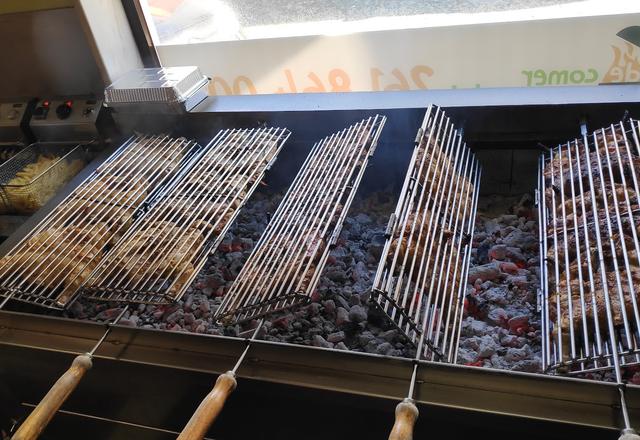
Santo Isidoro, Portugal
Photos: Bushcraft Ericeira - Survival & Outdoors · Google
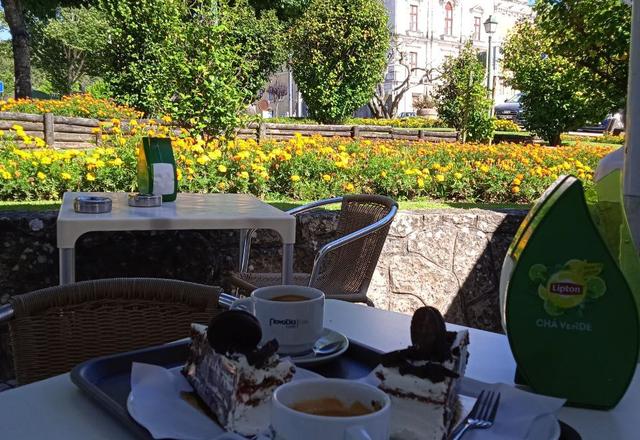
Mafra, Portugal
Photos: Марина Головко · Google
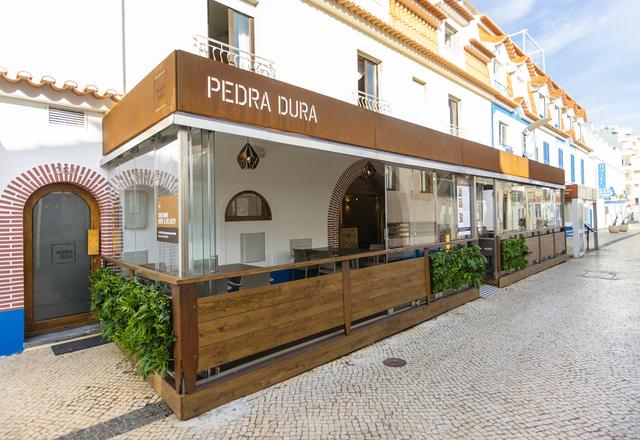
Ericeira, Portugal
Photos: Restaurante Pedra Dura · Google
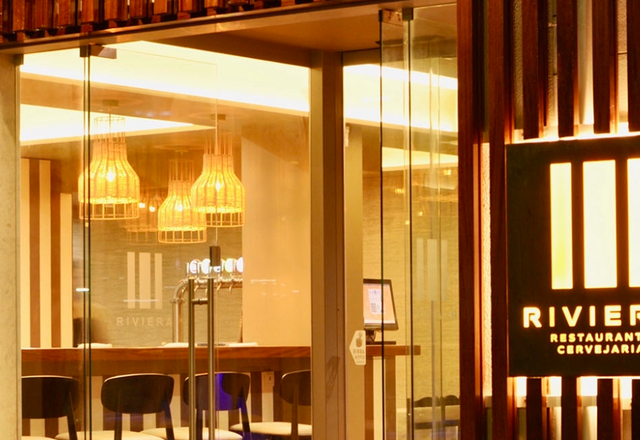
Ericeira, Portugal
Permanently closed
Photos: Riviera - Restaurante Cervejaria · Google
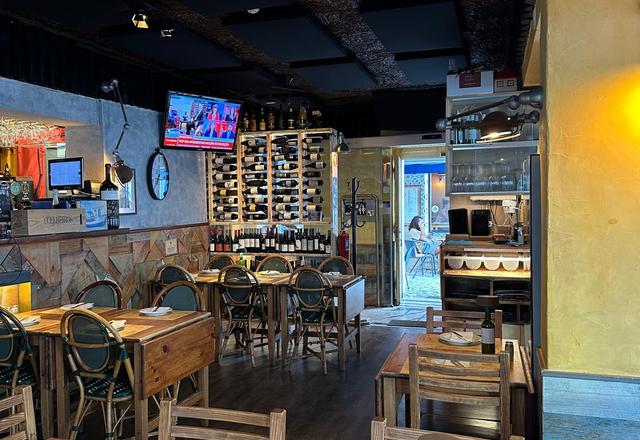
Ericeira, Portugal
Photos: Restaurante Tik-Tak · Google
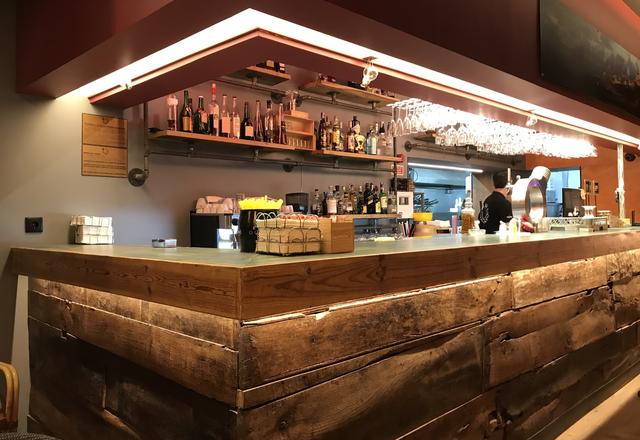
Ericeira, Portugal
Photos: Tik Tapas · Google